
Leasing vs Car Loan: Which Suits the Luxury Buyer Better?
Published - 09 Mar 2026, 12:20 GMT
 9 min read

When acquiring a high-value vehicle, the decision rarely stops at choosing the model. For luxury and exotic buyers, the financing structure plays an equally critical role. Whether considering a Ferrari, Porsche, Bentley, or other prestige vehicle, the comparison often comes down to a traditional car loan versus financial leasing.
Please note, borrowing money also costs money.
Buyers searching for car loan providers are typically looking for ownership through structured credit. Others explore financial leasing as a more strategic route. Both paths provide access to premium vehicles, but they function differently in terms of ownership, capital allocation, and long-term flexibility.
For luxury buyers, the right choice depends less on emotion and more on financial alignment.
How a Car Loan Works in the Luxury Segment
A car loan is a credit agreement that allows a buyer to purchase a vehicle outright. The lender provides the funds, and the borrower repays the amount over an agreed term, usually with interest. From day one, the buyer becomes the legal owner of the vehicle.
In the luxury space, this often takes the form of an exotic car loan. Vehicles with six-figure price tags require more detailed underwriting. Lenders assess income, assets, repayment capacity, and sometimes require additional security.
A car loan may provide immediate ownership, but it also concentrates capital into a depreciating asset. While ownership can be appealing, especially for collectors, it introduces long-term exposure to resale timing and market fluctuations.
Luxury auto financing through a loan offers clarity in one respect: once repaid, the vehicle is entirely yours. However, the financial commitment remains significant throughout the term.
What Financial Leasing Means for Luxury Buyers
Financial leasing operates under a different structure. Instead of borrowing funds to buy the vehicle directly, the leasing provider acquires the car and grants usage rights to the client for a defined period.
Throughout the agreement, the leasing company retains legal ownership. At the end of the contract, the client typically has the option to acquire the vehicle by settling the agreed residual value.
For luxury buyers, this distinction is important. Financial leasing separates use from ownership. It allows drivers to enjoy high-performance vehicles while preserving liquidity and maintaining strategic capital flexibility.
Unlike standard car loans, financial leasing often aligns with broader business or asset management strategies.
Ownership vs Capital Preservation
The fundamental difference between leasing and a car loan lies in capital philosophy.
With a car loan, you deploy capital toward ownership. Even if the purchase is financed, credit capacity is tied to the vehicle. The asset sits on your balance sheet, and depreciation risk is fully yours.
With financial leasing, capital can remain available for other priorities. Entrepreneurs, investors, and high-net-worth individuals frequently evaluate opportunity cost. Funds allocated toward a vehicle purchase could otherwise be invested in business expansion, property, or portfolio growth.
For many luxury buyers, preserving capital flexibility outweighs the psychological appeal of immediate ownership.
Exotic Car Loan Considerations
An exotic car loan differs from standard vehicle credit. High-performance vehicles, limited editions, and rare configurations require specialist understanding. Lenders often evaluate not only the borrower’s income, but also asset strength, liquidity, and broader financial stability, particularly when the vehicle value exceeds typical lending thresholds.
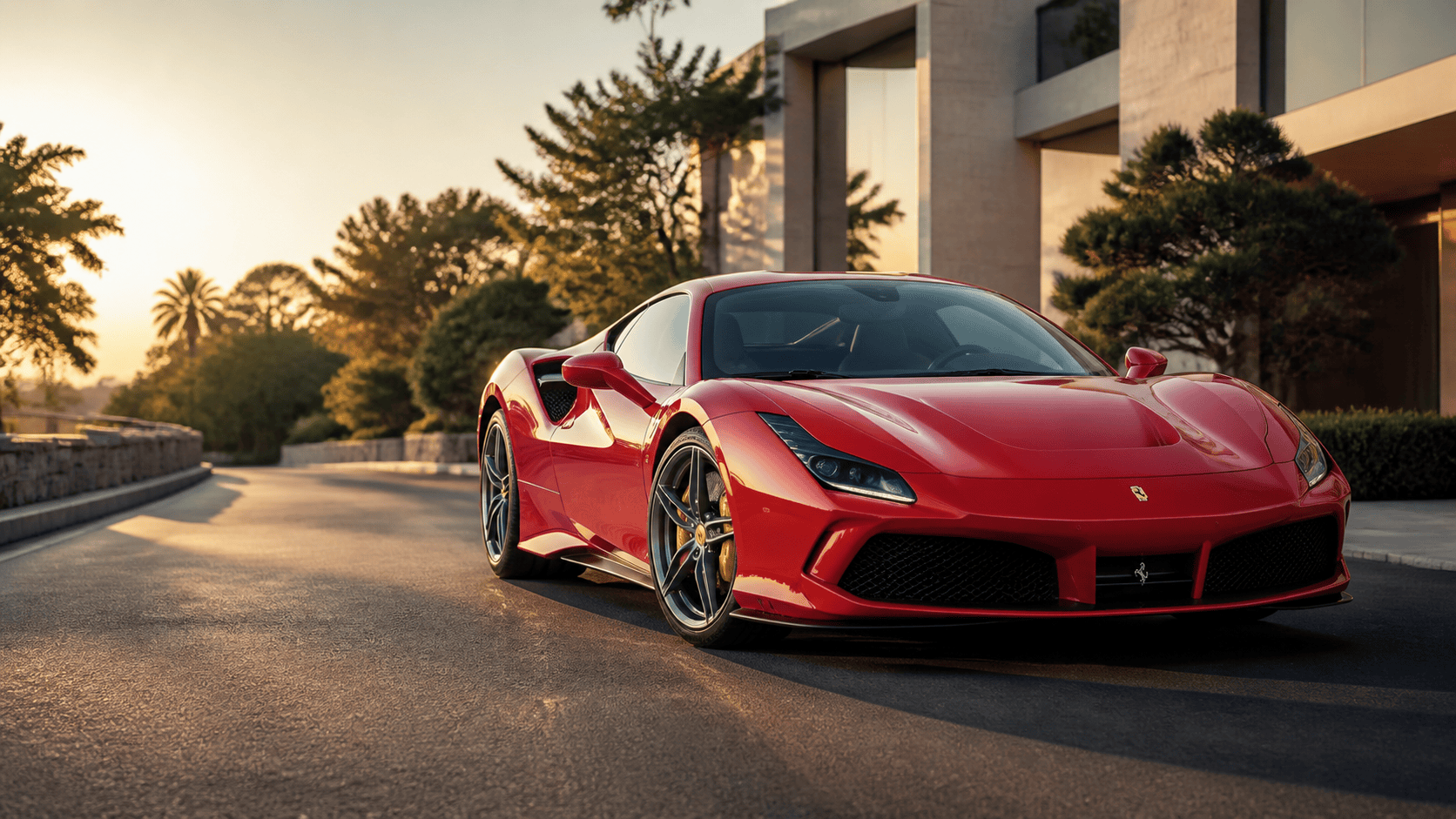
Ferrari financing options, for example, can vary widely. Some lenders offer tailored structures, but terms often depend on the client’s overall financial profile. Ferrari finance deals may appear attractive on the surface, yet buyers must evaluate interest rates, fees, and total repayment exposure.
It is equally important to consider whether the rate is fixed or variable, whether early repayment penalties apply, and how balloon payments may affect the overall cost of credit.
Because exotic vehicles can fluctuate in value, lenders may impose stricter conditions. Buyers should carefully assess how an exotic car loan integrates into their long-term financial planning. A structured repayment schedule may look manageable initially, but shifts in market value or liquidity needs can alter the equation over time.
Ownership is permanent. Market conditions are not.
Financial Leasing and Depreciation Strategy
Luxury vehicles depreciate differently depending on brand, rarity, and demand. Some models retain value exceptionally well. Others decline more rapidly, particularly when new versions are released.
Under a traditional car loan, the buyer absorbs this full market exposure. Resale timing becomes critical. Selling too early or too late can impact total ownership cost.
Financial leasing structures the term in advance. The residual value is defined at the outset. This provides clarity and allows buyers to evaluate whether acquiring the vehicle at the end makes sense based on market conditions.
For drivers who upgrade regularly, financial leasing reduces the administrative complexity of resale.
Lifestyle Flexibility and Upgrade Cycles
Luxury buyers often change vehicles every few years. Performance improvements, design updates, and technology advancements influence decisions.
A car loan may not always align with this behaviour. Selling a financed vehicle mid-term can introduce additional steps and potential financial adjustments.
Financial leasing provides a clearer transition point. At the end of the agreement, the client can decide whether to acquire the vehicle or move into a new model.
For buyers who value driving the latest generation Ferrari or Porsche, this structured flexibility can be advantageous.
Risk Exposure and Predictability
Every financing decision involves risk. The key difference is how that risk is distributed. Understanding where potential pressure points sit within the agreement can help luxury buyers make more informed and strategic decisions.
With a car loan, exposure includes:
• Depreciation fluctuations
• Resale timing
• Long-term market shifts
• Credit capacity allocation
With financial leasing, exposure centres on:
• Structured payments
• Contractual terms
• Residual value decisions
Both structures require commitment. However, financial leasing often provides greater predictability in terms of defined timelines and outcomes. Payments are agreed in advance, the contract duration is fixed, and the end-of-term options are clearly outlined from the beginning.
For business owners managing multiple financial responsibilities, predictability can be a decisive factor. Clear parameters make it easier to forecast cash flow, align commitments with revenue cycles, and maintain stability within a broader financial strategy.
Car Loan vs Financial Leasing for Business Use
Business owners frequently search for car loan solutions when acquiring vehicles through corporate structures. Ownership may offer accounting or asset advantages depending on jurisdiction.
However, financial leasing is often designed with business use in mind. Payments are structured, terms are defined, and the acquisition pathway at contract end is transparent.
For entrepreneurs who separate personal and corporate finances, leasing may offer cleaner structuring. It can also align with broader fleet or rotation strategies.
The decision should be made in consultation with financial advisers, particularly for high-value vehicles.
Psychological Ownership vs Strategic Control
Ownership carries emotional weight. Holding title to a Ferrari or Bentley can feel definitive. For collectors, this permanence is part of the appeal.
Yet strategic control differs from emotional ownership. Financial leasing provides full use and enjoyment of the vehicle during the contract term.
At the end, the client retains the option to purchase. This preserves flexibility while maintaining control over the ultimate decision.
For many high-net-worth buyers, optionality is more valuable than immediacy.
Long-Term Financial Perspective
Luxury auto financing is not merely about accessing a vehicle. It reflects broader financial priorities.
Buyers should consider:
• How long they intend to keep the vehicle
• Whether regular upgrades are likely
• How capital allocation fits into broader investment goals
• Risk tolerance regarding depreciation
A car loan may be suitable for buyers who plan to retain the vehicle indefinitely. Financial leasing may better suit those who prioritise adaptability and capital efficiency.
Neither option is universally superior. The value lies in alignment.
Evaluating Ferrari Finance Deals and Market Timing
When reviewing Ferrari finance deals, buyers should assess total cost over time. Promotional structures may highlight attractive rates, but the overall commitment must be examined carefully.
Luxury vehicle markets are influenced by economic cycles, demand shifts, and brand positioning. With a car loan, resale timing becomes a personal responsibility.
Financial leasing provides a defined exit strategy. At the end of the contract, the client can assess whether market conditions justify acquisition or transition.
This ability to defer the final ownership decision can be strategically beneficial.
The Role of Specialist Providers
Luxury vehicles require specialist understanding. Generic lenders may not fully appreciate the nuances of high-performance or limited-production models.
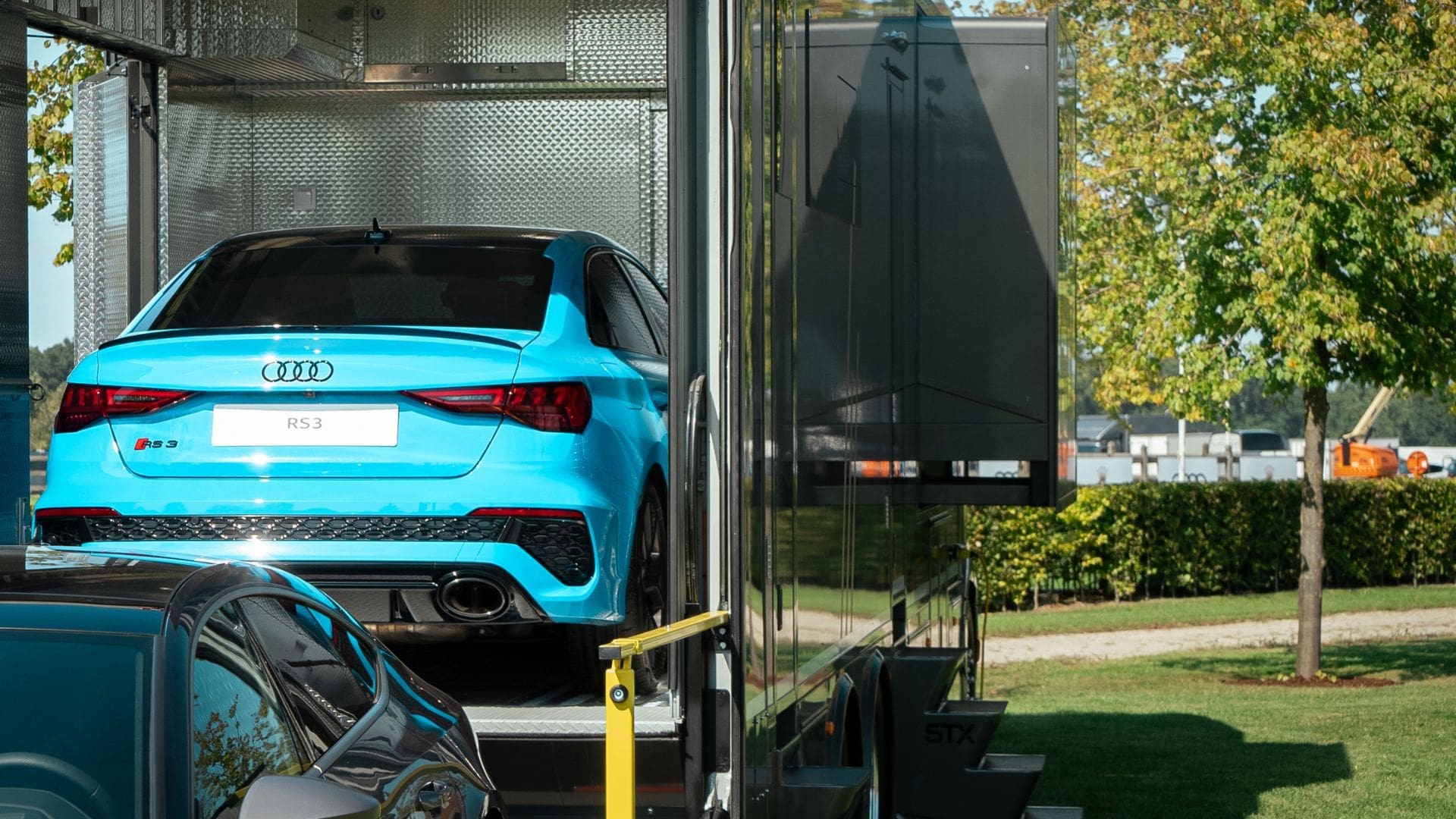
STX Finance structures financial leasing specifically for premium vehicles and internationally mobile clients. The focus is on clarity, defined terms, and structured flexibility.
STX Finance does not act as a comparison broker between banks. Instead, it provides financial leasing directly, allowing clients to work with a specialist provider familiar with the luxury segment.
For buyers evaluating car loans versus financial leasing, specialist guidance can make the difference between a standard transaction and a strategically aligned agreement.
Final Verdict: Which Suits the Luxury Buyer Better?
The answer depends on intention.
Car loans suits buyers who:
• Prioritise immediate ownership
• Intend to retain the vehicle long-term
• Prefer full title control from day one
Financial leasing suits buyers who:
• Value capital preservation
• Upgrade vehicles regularly
• Prefer structured flexibility
• Operate businesses or manage diversified portfolios
Luxury vehicles represent ambition and achievement. The financing structure behind them should reflect the same level of strategic thinking.
For some, ownership is the destination. For others, flexibility is the advantage.
The key is not choosing what is popular. It is choosing what aligns with how you manage wealth, plan growth, and define success.
When approached thoughtfully, both leasing and a car loan can serve the luxury buyer well. The better option is the one that integrates seamlessly into your broader financial strategy while allowing you to enjoy the road ahead with confidence.